
Choose the best security camera system for UAE heat, dust and coastal air. See which IP, IK and temperature ratings, housings and upkeep keep cameras running.
The best security camera system for the UAE is not the one with the highest megapixel count. It is the one that still records clearly in August at noon, after a sandstorm and beside the sea. Heat, fine dust, humidity and salt air shorten the life of cameras built for milder climates. This guide explains which ratings to check on a datasheet, how housings and mounting positions help, and what maintenance keeps image quality sharp all year.
Key Takeaways
Check IP66 or IP67, IK10 and the rated operating temperature before comparing camera prices.
Sunshields, correct mounting and cooled equipment rooms matter as much as the camera body.
Plan lens cleaning and housing checks as part of the surveillance system from day one.
Why UAE Conditions Break Ordinary Cameras
Most camera failures on UAE sites are not caused by faulty electronics. They come from the environment. Direct summer sun heats metal housings far above the air temperature, and rooftops, car parks and walls facing west can become much hotter still. Many consumer and entry level cameras are rated for conditions that UAE outdoor surfaces regularly exceed.
Dust is the second enemy. Fine particles settle on dome covers and lenses, scatter infrared light at night and slowly blur daytime images. Near the coast, humid salt air corrodes screws, brackets and connectors. Inland sites face sandstorms that cut visibility and push grit into poorly sealed joints. When commercial security cameras are chosen from a price list without these factors in mind, they often fail within a few summers.
The cost of failure goes beyond replacing a camera. A dead or blurred view can mean missing evidence, a failed authority inspection or an insurance dispute. That is why climate rated hardware should be part of the specification, not an optional upgrade.
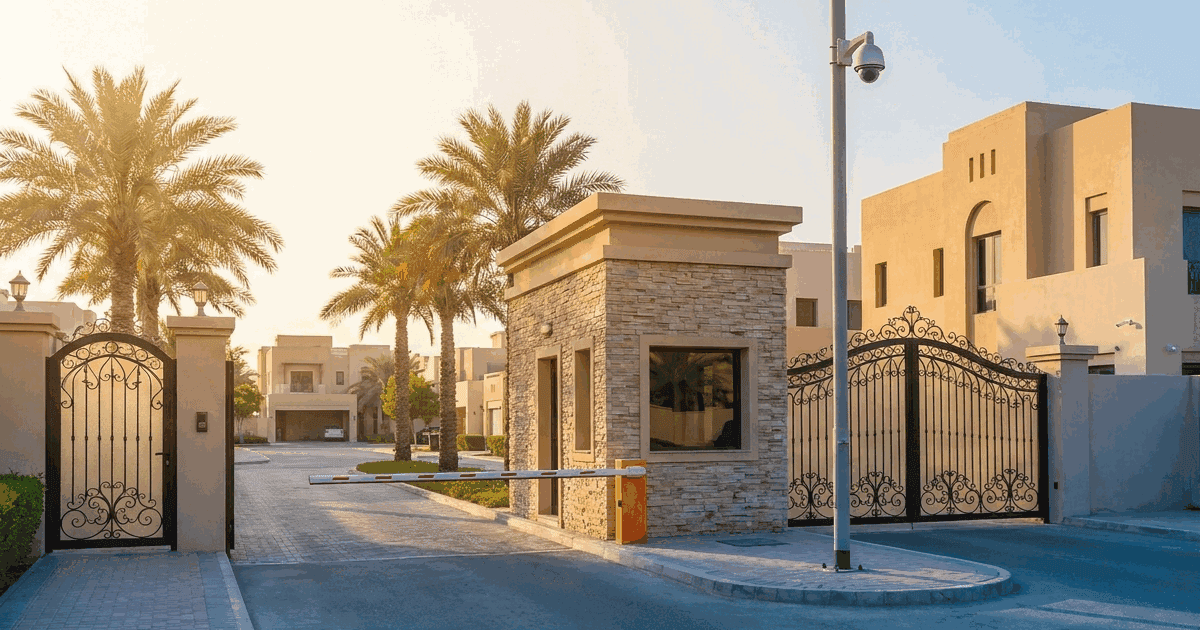
Homes face the same climate. A home security camera Dubai villa owners buy online may work well indoors, yet struggle on a sunny boundary wall or above a garage door. Villa gates, driveways and rooftops need the same outdoor ratings as a business site, even if the camera count is much smaller.
Ratings That Matter: IP, IK and Operating Temperature
Three numbers on a datasheet tell you most of what you need to know about durability. Read them before comparing features, because a camera with great analytics is useless if it cannot survive the site.
The IP code under IEC 60529 describes protection against dust and water. The first digit covers solids, and 6 means dust tight. The second digit covers water, where 6 means powerful jets and 7 means temporary immersion. For outdoor UAE sites, treat IP66 as the minimum and choose IP67 where cameras face washing, irrigation or heavy rain runoff.
The IK impact rating under IEC 62262 measures resistance to physical knocks. IK10 is the highest level and suits cameras within reach in car parks, labour accommodation, schools and loading bays. Lower ratings may be acceptable high on a building facade, but vandal resistant domes protect evidence where people can reach the camera.
Operating temperature is the rating buyers most often ignore. Compare the maximum rated temperature against the real mounting location, not the weather forecast. A camera on a shaded wall faces very different heat from one on a steel pole in an open car park. When in doubt, ask your installer for the datasheet of each model and confirm the rating covers the hottest position on site.
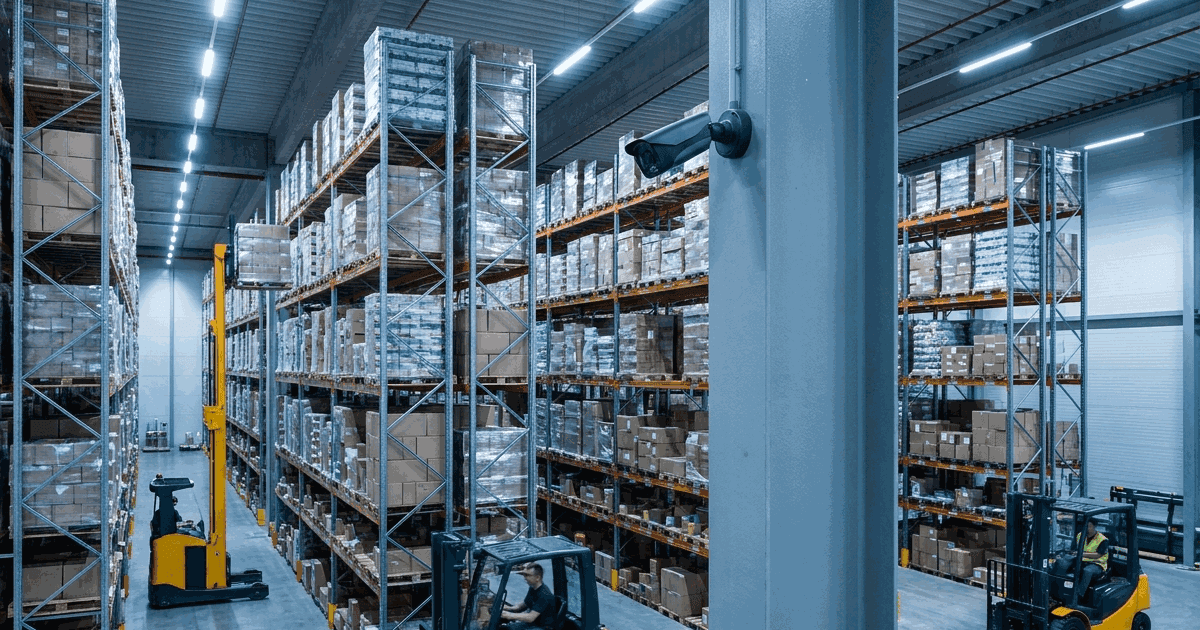
Put the three ratings together when you compare quotes. The best security camera system for a warehouse yard might combine IP67 bullet cameras on shaded poles with IK10 domes at the loading bay. A retail frontage may only need IP66 domes under a canopy. Ask each bidder to list the ratings for every camera position, so you can see whether the design matches the real exposure of each location.
Housings, Sunshields and Mounting Choices
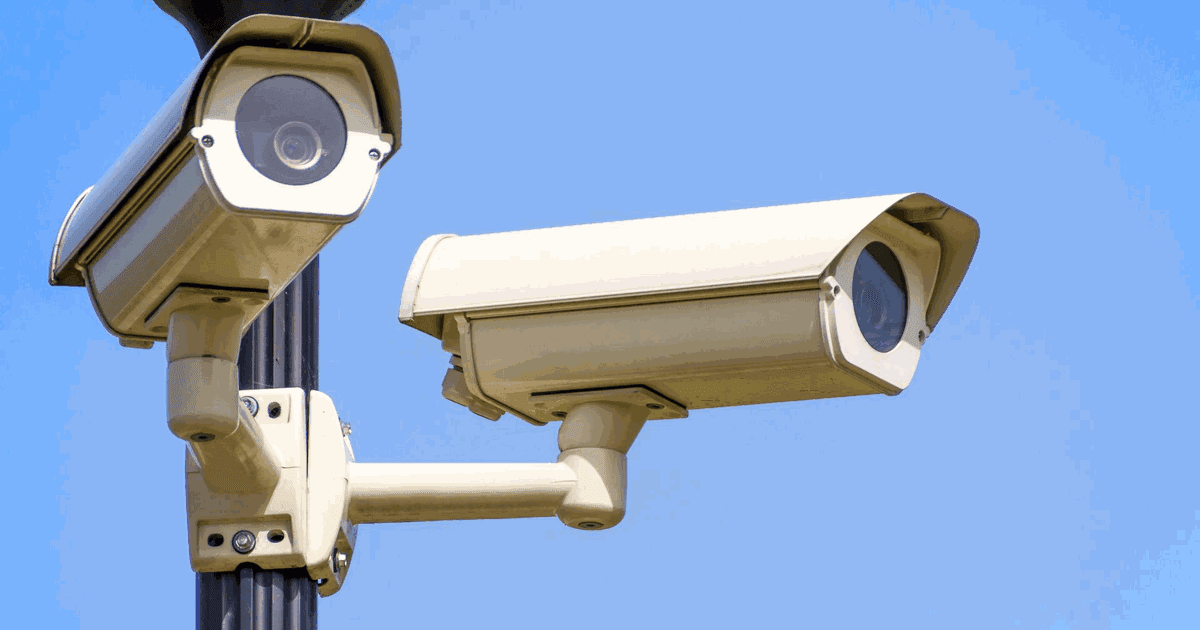
Good installation practice can lower the temperature a camera experiences and reduce dust build up. Sunshields are the simplest tool. They block direct sun from the top of bullet cameras, cut glare on the lens and keep internal electronics cooler. Light coloured housings absorb less heat than dark ones, which helps on exposed poles and roofs.
Mounting position matters too. Where possible, mount cameras under eaves, canopies or on the shaded side of a structure while keeping the required field of view. Avoid pointing cameras directly toward the rising or setting sun, which causes glare and can damage image sensors over time. On long perimeters, a slightly different pole position often solves a glare problem without adding cameras.
Some sites need active housings with fans or cooling, especially for PTZ cameras in open industrial yards. Coastal projects benefit from stainless steel brackets, marine grade coatings and sealed cable glands to slow corrosion. Every cable entry should face downward or use a drip loop, so water and dust cannot track into the connector.
Cabling needs the same care. Standard indoor cable jackets crack under strong sunlight, so outdoor runs should use UV resistant cable inside conduit or trunking. Junction boxes need proper sealing, and PoE switches feeding outdoor cameras should sit in ventilated enclosures. These details rarely appear on a basic quote, yet they decide whether the system survives its first few summers.
Do not forget the equipment behind the cameras. Recorders, switches and UPS units generate heat, and they fail quickly in unventilated cupboards. Place them in a cooled room or rack with airflow, so the whole surveillance system stays reliable, not just the cameras outside. Our CCTV design and installation team plans camera positions, housings and equipment rooms together during the site survey.
Finally, think about access for maintenance when you choose mounting points. A camera placed high on a facade may need a lift or scaffold for every cleaning visit, which raises running costs. Where the view allows, choose positions that technicians can reach safely with a ladder. Easy access means cleaning actually happens on schedule.
Image Quality in Glare, Dust and Sandstorms
UAE light is harsh. Glass entrances, white walls and reflective car roofs create extreme contrast, so choose cameras with true wide dynamic range rather than digital enhancement. At night, infrared light reflects off dust on dome covers and creates a white haze. Bullet cameras or domes with separated infrared lighting often perform better in dusty areas.
During sandstorms, no camera sees far. Analytics that filter false alarms from blowing debris help operators focus on real events. Modern AI security cameras can ignore moving dust and shadows while still detecting people and vehicles. Higher bitrate settings during low visibility also preserve more detail in recordings.
Resolution choices change in dusty conditions too. Very high resolution sensors with small pixels can struggle in low light, especially when dust dims the scene. A balanced sensor with good low light performance often delivers more usable footage. When you shortlist the best security camera system for an outdoor site, ask for sample footage recorded at dusk and at night, not only bright daytime images from a showroom.
Maintenance is the final part of the climate plan. Dusty and coastal sites need more frequent lens cleaning than indoor installations, and seals should be inspected before each summer. Build these visits into an annual maintenance contract so cleaning happens on schedule, not only after someone notices a blurred image. Keep a short record of each visit, including photos of camera views, so you can spot slow image decline before it becomes a problem.
Conclusion
The best security camera system for UAE sites combines climate rated hardware, smart mounting and planned maintenance. Check IP, IK and temperature ratings for every position, protect cameras from direct sun and keep recorders in cooled rooms. Clean lenses and inspect seals on a schedule that suits your dust and coastal exposure.
Vega Digital designs and maintains systems for warehouses, industrial yards, retail and residential sites across the UAE. Talk to our engineers about a site survey and get cameras specified for your real conditions.
Frequently Asked Questions
What is the best security camera system for hot climates?
Look for outdoor cameras rated IP66 or IP67, IK10 where reachable and a maximum operating temperature that suits the hottest mounting position. Add sunshields, correct placement and cooled equipment rooms for reliable year round recording.
Is IP66 enough for outdoor cameras in the UAE?
IP66 is dust tight and protects against powerful water jets, which suits most outdoor UAE locations. Choose IP67 where cameras face irrigation, pressure washing or areas where water may pool around the housing after rain.
What does IK10 mean on a CCTV camera?
IK10 is the highest impact rating under IEC 62262. It means the housing resists strong physical blows, which makes it the right choice for cameras mounted within reach in car parks, schools, corridors and loading bays.
How often should outdoor cameras be cleaned in dusty areas?
Dusty, coastal and construction sites usually need lens and dome cleaning every one to three months. Sheltered indoor cameras need far less. Review recorded images regularly and adjust the cleaning interval when blur or night haze appears.
Why do CCTV images look hazy at night?
Night haze usually comes from infrared light reflecting off dust, spider webs or scratches on the dome cover. Cleaning the cover, moving nearby obstructions or choosing cameras with separated infrared lighting normally solves the problem.
Do sunshields really help security cameras?
Yes. Sunshields block direct sun from the housing and lens, lowering internal temperature and reducing glare. They are inexpensive, simple to fit and help extend camera life on exposed walls, poles, rooftops and open car parks.
Which camera suits a home security camera Dubai villa setup?
Villas need weather rated outdoor cameras for gates, driveways and gardens, plus smart indoor cameras for entrances and living areas. Our guide to smart locks and smart home cameras explains how home security devices work together.
Can heat damage a CCTV recorder?
Yes. Recorders and hard drives fail early in hot, unventilated cupboards. Install them in a cooled room or ventilated rack, keep vents clear of dust and monitor drive health so recordings are not lost during summer.
How do coastal sites protect cameras from corrosion?
Coastal projects should use stainless steel brackets, marine grade coatings, sealed cable glands and corrosion resistant fixings. Inspecting mounts and connectors during routine maintenance catches rust early before it affects image stability or water sealing.
Who designs camera systems for harsh UAE sites?
Choose an installer with in house engineers who survey the site, specify climate rated hardware and maintain it afterwards. Learn more about Vega Digital and our engineering team serving projects across the UAE.