
Integrated ELV systems are essential for modern buildings in Dubai, enhancing security, connectivity, operational efficiency, and future readiness through smart, connected infrastructure.
An ELV system for buildings is no longer a luxury. It is becoming a fundamental requirement for any modern commercial property in Dubai. As the city accelerates its smart city ambitions and digital transformation agenda, building owners, developers, and facility managers are recognising that low current systems form the backbone of intelligent, connected, and secure infrastructure. This blog explores what ELV systems include, why they matter, and how integrated solutions deliver long term value for commercial buildings across the UAE.
Key Takeaways
• A complete ELV system for commercial buildings integrates CCTV, access control, structured cabling, fire alarms, building automation, and communication systems into one unified infrastructure.
• Integrated ELV solutions improve security, operational efficiency, occupant experience, and long term scalability compared to standalone systems.
• Planning ELV infrastructure during the building design stage reduces costs, avoids retrofitting challenges, and ensures systems are future ready from day one.
What Is an ELV System for Buildings?
Understanding Extra Low Voltage and Low Current Systems
An ELV system operates at voltages below 50 volts AC or 120 volts DC. These systems transmit data, signals, and audio or video rather than electrical power. In the context of modern buildings, low current systems in Dubai encompass everything from structured cabling and CCTV to fire alarms, access control, intercom, audio visual systems, and building automation networks. They form the digital nervous system of any intelligent building.
How ELV Systems Differ from Conventional Electrical Systems
Conventional electrical systems deliver high voltage power to lighting, HVAC equipment, and appliances. ELV and security systems operate at significantly lower voltages and are designed to carry information, not power. This distinction means ELV infrastructure requires specialist design, installation, and integration expertise that differs entirely from standard electrical contracting. The two systems must coexist within the same building but serve fundamentally different purposes.
Why ELV Infrastructure Matters in Modern Buildings
Modern commercial buildings are expected to be secure, connected, efficient, and responsive. None of these qualities are achievable without a well planned electrical ELV system. From monitoring access points and streaming surveillance footage to automating climate control and enabling fast data connectivity, ELV systems underpin every layer of building intelligence. Buildings without integrated ELV infrastructure face operational inefficiencies, security gaps, and significant costs when systems need to be retrofitted later.
What Does a Complete ELV System for Commercial Buildings Include?
CCTV and Video Surveillance Systems
CCTV remains one of the most critical components of any ELV security system. Modern IP based camera networks provide high definition surveillance, remote monitoring, and integration with analytics platforms. A well designed CCTV system covers all critical zones, integrates with access control, and feeds data into centralised management platforms. For commercial properties in Dubai, CCTV compliance with SIRA approved standards is a regulatory requirement that cannot be overlooked.
Access Control and Visitor Management
Access control systems manage who enters and exits a building, floor, or restricted zone. Modern systems range from card readers and biometric scanners to mobile based credentials and integrated visitor management platforms. For commercial buildings, these systems protect assets, enforce compliance, and provide detailed audit trails. When integrated with CCTV and building automation, access control becomes a powerful tool for both security and operational management. Learn more about access control solutions designed for commercial environments.
Structured Cabling and Network Infrastructure
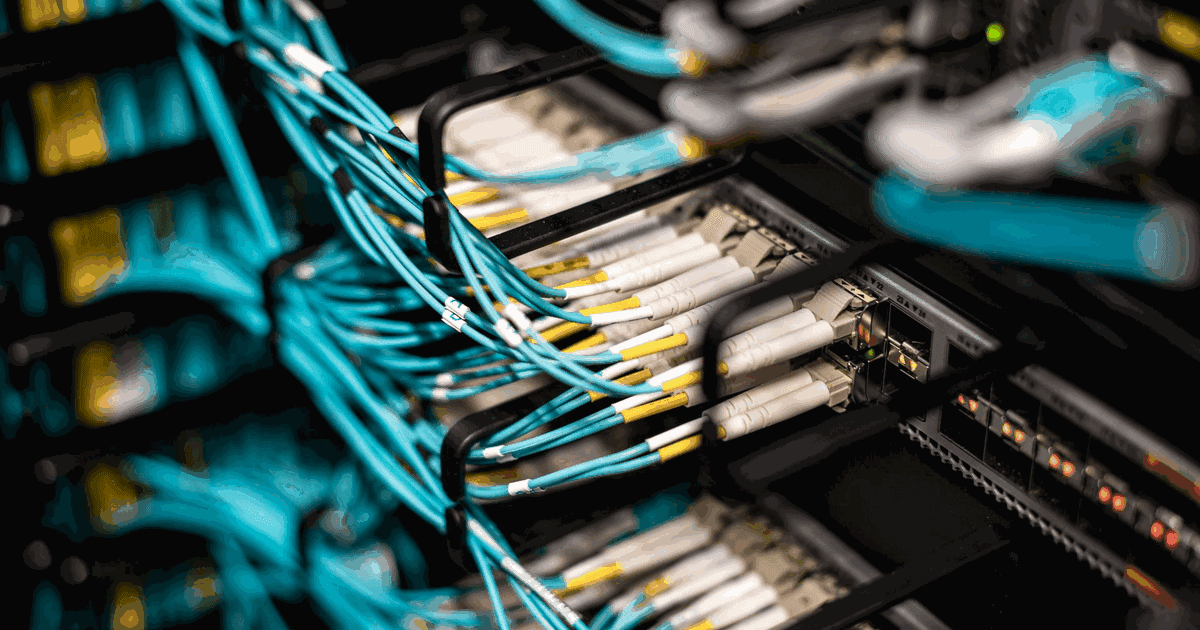
Structured cabling is the physical foundation of every ELV system. It enables reliable data transmission across all building systems including IT networks, CCTV, IP phones, audio visual equipment, and building automation controllers. A poorly designed cabling infrastructure creates bottlenecks, limits future expansion, and increases maintenance costs. Investing in a well engineered structured cabling network from the outset is one of the most cost effective decisions a building owner can make.
Fire Alarm and Life Safety Systems
Fire alarm and life safety systems are essential components of any complete ELV system for commercial buildings. These systems detect smoke, heat, or gas, trigger alarms, and initiate emergency responses including door releases, elevator recalls, and public address announcements. In Dubai, fire alarm systems must comply with Civil Defence standards. When integrated with building automation and access control, they enable coordinated and automated emergency responses that protect both people and assets.
Intercom, Communication, Audio Visual and Public Address Systems
Reliable communication infrastructure is central to building operations. Intercom systems facilitate secure visitor communication at entry points. Public address systems deliver emergency announcements across large facilities. Audio visual solutions support collaborative workspaces, boardrooms, and lobbies. Intercom systems and background music solutions contribute to both security and occupant experience, making them valuable components of any integrated ELV deployment.
Building Automation and Management Systems
Building automation systems control HVAC, lighting, energy metering, and other facility functions through integrated software platforms. When combined with other ELV systems, they create a unified building management environment. This convergence of security, communication, and automation data enables facility teams to monitor performance, reduce energy consumption, and respond proactively to maintenance needs. Building automation is increasingly central to smart commercial building strategies across Dubai.
Why Are ELV and Security Systems Essential in Dubai?
Growing Demand for Smart Buildings
According to Grand View Research, the UAE smart building market generated approximately US$1.69 billion in 2025 and is projected to reach US$8.74 billion by 2033, with a compound annual growth rate of 23.3% between 2026 and 2033. This growth reflects the increasing appetite for technology enabled infrastructure across Dubai's commercial real estate sector. Developers who integrate comprehensive ELV systems are better positioned to attract premium tenants and achieve higher asset values.
Increasing Focus on Building Security
Security expectations in commercial buildings have evolved significantly. Tenants, operators, and regulators expect layered ELV security systems for smart buildings that go beyond basic locks and cameras. Integrated systems that combine CCTV, access control, visitor management, and intrusion detection provide the multi layered security posture that modern buildings demand. This is particularly relevant in Dubai, where high footfall commercial districts, mixed use towers, and hospitality assets require robust and compliant security infrastructure.
Need for Connected Infrastructure
Connectivity is the foundation of building intelligence. Without well designed low current systems in Dubai, buildings cannot support the data flows required for real time monitoring, remote management, cloud based platforms, or IoT enabled devices. Structured cabling, networking infrastructure, and IP based systems must work together seamlessly to deliver the bandwidth and reliability that modern building operations depend on.
Dubai's Smart City and Digital Transformation Goals
The UAE's Internet of Things Strategy and Dubai's Smart City programme set clear expectations for how buildings should function within a connected urban environment. Dubai Municipality has reported that its integrated facilities management model covers approximately 2,000 buildings and more than 246,000 assets, with operational efficiency improving by more than 15% through IoT, predictive maintenance, and real time dashboards. DEWA's smart grid strategy processes approximately 15 million data points daily using AI and IoT technologies. These benchmarks demonstrate the scale of digital infrastructure ambition shaping the built environment in the UAE.
Benefits of ELV Systems for Modern Buildings
Stronger Building Security
Integrated ELV security systems combine CCTV, access control, and intrusion detection to provide comprehensive protection across all zones. Centralised management means security teams can monitor and respond to incidents faster and with greater accuracy.
Improved Safety and Emergency Response
Fire alarms, emergency communication, and automated life safety responses become significantly more effective when integrated within a complete ELV system for buildings. Coordinated system responses reduce risk and improve compliance with safety regulations.
Better Connectivity and Communication
High performance structured cabling and networking infrastructure ensure that all building systems, occupants, and operations remain reliably connected. This connectivity supports everything from video conferencing to IoT sensor data collection.
Centralised Monitoring and Control
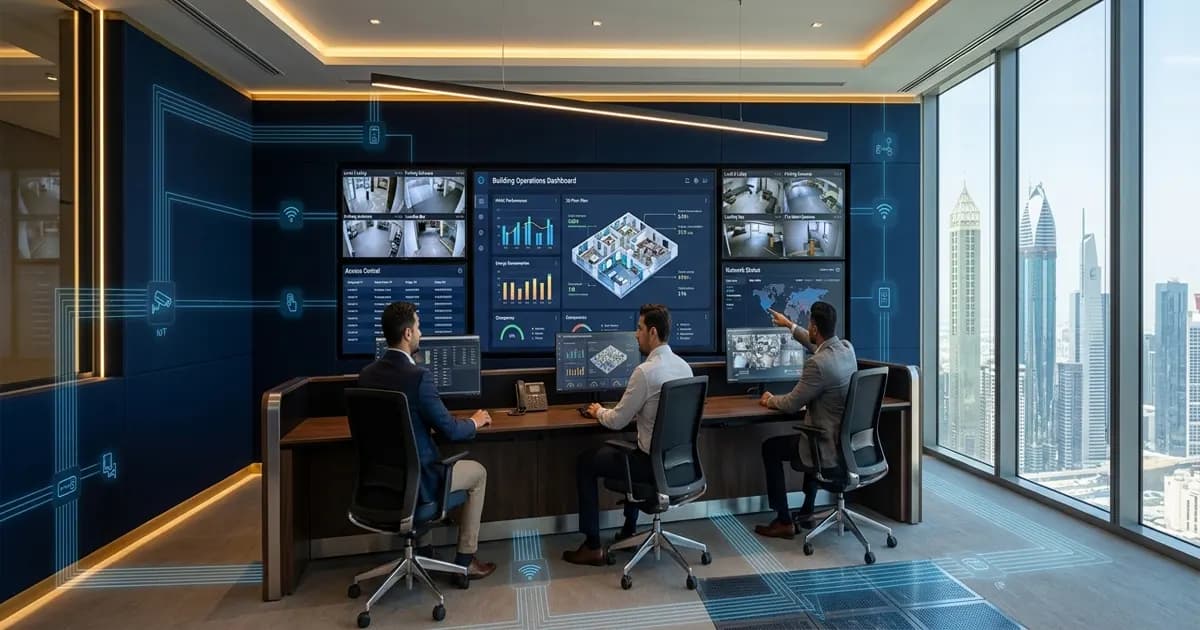
A unified building management platform allows facility teams to monitor security, energy, access, and communications from a single interface. This reduces operational complexity and improves decision making across all building functions.
Improved Operational Efficiency
Automation reduces the need for manual intervention in routine building functions. Scheduling, alerts, reporting, and remote management capabilities free up facility staff and reduce operational costs over time.
Scalable and Future Ready Infrastructure
Well designed integrated ELV solutions for offices and commercial buildings can be expanded as needs evolve. Adding new cameras, access readers, automation controllers, or communication endpoints is straightforward when the underlying infrastructure is properly planned from the start.
Better Occupant Experience
Comfortable, secure, connected, and responsive buildings attract better tenants and retain them longer. Smart meeting rooms, reliable connectivity, seamless visitor management, and well controlled environments all contribute to a superior occupant experience.
Why Integrated ELV Solutions Are Better Than Standalone Systems
Many buildings still operate individual ELV systems in isolation. CCTV runs independently from access control. Fire alarms have no connection to building automation. Communication systems are managed separately from security platforms. This fragmented approach creates system silos, increases maintenance complexity, and limits the building's ability to respond intelligently to events.
Integrated ELV solutions deliver centralised visibility, improved operational coordination, and better data across all building systems. When an access event triggers a camera view, or when a fire alarm initiates an automated building response, the value of integration becomes clear. Integrated systems also simplify future expansion, reduce long term maintenance costs, and provide the data foundation needed for analytics driven facility management.
Why Offices Need Integrated ELV Solutions
Secure Access and Visitor Management
Office environments require layered access management across floors, meeting rooms, server rooms, and entry points. Integrated access control and visitor management systems ensure that only authorised individuals access sensitive areas while creating a seamless experience for legitimate visitors.
Reliable Connectivity and Structured Cabling
Offices depend on reliable, fast connectivity for every function from video calls to cloud applications. A properly designed structured cabling backbone ensures that all systems including IT, CCTV, IP phones, and audio visual equipment perform reliably without interference or bottlenecks.
Smart Meeting and Audio Visual Systems
Modern offices require flexible, technology enabled meeting spaces. Integrated audio visual systems, video conferencing platforms, and room booking tools create productive and professional environments that support collaboration across teams and locations.
CCTV and Workplace Security
Workplace security protects staff, assets, and sensitive information. Integrated CCTV coverage combined with access control provides comprehensive protection and compliance with workplace safety obligations. Real time monitoring and recorded footage also support incident investigation and insurance requirements.
Building Automation and Energy Management
Smart offices use building automation to optimise energy consumption, maintain comfortable environments, and reduce operational costs. Lighting, HVAC, and access systems working together create a responsive workspace that adapts to occupancy patterns and operational schedules.
How to Choose an ELV and Automation Company in Dubai
Selecting the right automation company in Dubai for your ELV project is critical. Consider the following factors when evaluating potential partners.
• Technical expertise: Look for deep knowledge across all ELV disciplines including CCTV, access control, cabling, fire alarms, and building automation.
• Commercial project experience: A proven track record in similar commercial or mixed use building projects reduces delivery risk.
• System integration capabilities: The ability to integrate multiple ELV systems into a single platform is a key differentiator.
• Scalability and future readiness: Ensure systems are designed to accommodate future technology additions without significant rework.
• Project planning and coordination: Effective ELV deployment requires close coordination with architects, MEP consultants, and main contractors from the design stage onward.
• Maintenance and after sales support: Long term system performance depends on reliable ongoing maintenance. Review annual maintenance contract offerings carefully.
• Cybersecurity: Connected ELV and IoT enabled systems must be designed with security in mind. The UAE National Policy for Internet of Things Security provides guidance on security by design principles that responsible ELV integrators should follow.
• Compliance with relevant standards: Ensure systems meet Dubai Civil Defence, SIRA, and other applicable regulatory requirements.
The Future of ELV Systems in UAE
The future of ELV systems in UAE is being shaped by the convergence of AI, IoT, cloud computing, and advanced building management platforms. Key trends include AI powered video analytics that go beyond basic recording to deliver real time threat detection, crowd analysis, and behavioral intelligence. IoT enabled buildings will generate continuous streams of data from sensors, meters, and connected devices that inform smarter facility management decisions.
Predictive maintenance, powered by real time sensor data and AI analysis, will allow facility teams to address equipment issues before they cause disruption. Cloud based monitoring platforms will enable remote visibility and control across multiple buildings from a single interface. Integrated building management systems will unify energy, security, communications, and automation data into comprehensive operational dashboards.
As Dubai continues to pursue its smart city vision and as the UAE's IoT strategy matures, buildings that invest in well integrated ELV system for buildings infrastructure today will be better positioned to adopt emerging technologies tomorrow without costly infrastructure overhauls.
Conclusion
An ELV system for buildings is no longer optional for commercial properties in Dubai. It is the infrastructure that makes buildings secure, connected, efficient, and intelligent. From CCTV and access control to structured cabling, building automation, and IoT enabled platforms, integrated ELV solutions deliver measurable operational value and long term scalability that isolated systems simply cannot match. Planning ELV infrastructure from the design stage is the smartest investment a building owner or developer can make for the future.
Planning a new commercial building or upgrading an existing facility in Dubai? VegaDigital helps businesses and building stakeholders implement integrated ELV, security, automation, and smart building solutions designed for modern operational needs. Connect with our team to explore the right ELV infrastructure for your building project.
Frequently Asked Questions
What is an ELV system for buildings?
An ELV system for buildings is an extra low voltage infrastructure that carries data, signals, and audio or video rather than electrical power. It includes CCTV, access control, structured cabling, fire alarms, intercom, and building automation systems that together make a building secure, connected, and efficient.
What does a complete ELV system include?
A complete ELV system includes CCTV and video surveillance, access control, structured cabling, fire alarm and life safety systems, intercom, public address, audio visual solutions, and building automation. These systems work together to create a unified, intelligent building infrastructure that supports security, communication, and operational management.
Why are ELV systems important for modern buildings?
ELV systems are important because they provide the digital infrastructure that modern buildings need to be secure, connected, and operationally efficient. Without integrated ELV solutions, buildings cannot support real time monitoring, remote management, smart automation, or the IoT enabled services that tenants and operators increasingly expect from commercial properties.
What is the difference between ELV and electrical systems?
Conventional electrical systems deliver high voltage power to equipment, lighting, and appliances. ELV and security systems operate at voltages below 50 volts AC and carry data, signals, and communications. They require specialist design and installation expertise and serve a fundamentally different purpose from standard electrical infrastructure within the same building.
What are low current systems in Dubai?
Low current systems in Dubai refer to ELV technologies including CCTV, access control, structured cabling, fire alarms, intercom, audio visual, and building automation systems. They are widely used across commercial, residential, and hospitality developments to deliver security, connectivity, and smart building capabilities aligned with Dubai's digital transformation goals. Explore how building automation solutions fit within a complete low current system deployment.
What are the benefits of ELV security systems for smart buildings?
ELV security systems for smart buildings provide layered security through integrated CCTV, access control, and intrusion detection. They improve emergency response, enable centralised monitoring, and generate data for analytics driven facility management. Integrated systems also reduce operational complexity and support compliance with Dubai's regulatory requirements for commercial building security.
Why do commercial buildings need integrated ELV solutions?
Standalone ELV systems create operational silos, limit visibility, and increase maintenance complexity. Integrated ELV solutions unify CCTV, access control, cabling, automation, and communication into a single platform, enabling coordinated responses, centralised monitoring, and smarter facility management that improves both security and operational performance across the entire building.
How do ELV systems support smart buildings?
ELV systems provide the connectivity, security, and automation infrastructure that smart buildings depend on. Structured cabling enables data transmission. CCTV and access control provide security intelligence. Building automation manages energy and environment. Together, these integrated ELV solutions for offices and commercial buildings create the foundation for IoT enabled, data driven building operations.
What should you look for in an ELV and automation company in Dubai?
When selecting an automation company in Dubai, look for proven technical expertise, commercial project experience, system integration capabilities, scalability planning, and strong after sales support. Regulatory compliance with SIRA and Civil Defence standards, cybersecurity awareness, and the ability to coordinate ELV design from the earliest stages of a project are also essential. You can review real world ELV project deployments to assess a provider's demonstrated experience.
What is the future of ELV systems in UAE?
The future of ELV systems in UAE includes AI powered video analytics, IoT enabled building platforms, predictive maintenance, cloud based monitoring, and integrated building management systems. As Dubai advances its smart city programme and the UAE's IoT strategy matures, well integrated ELV infrastructure will be essential for buildings to remain competitive, compliant, and technology ready.