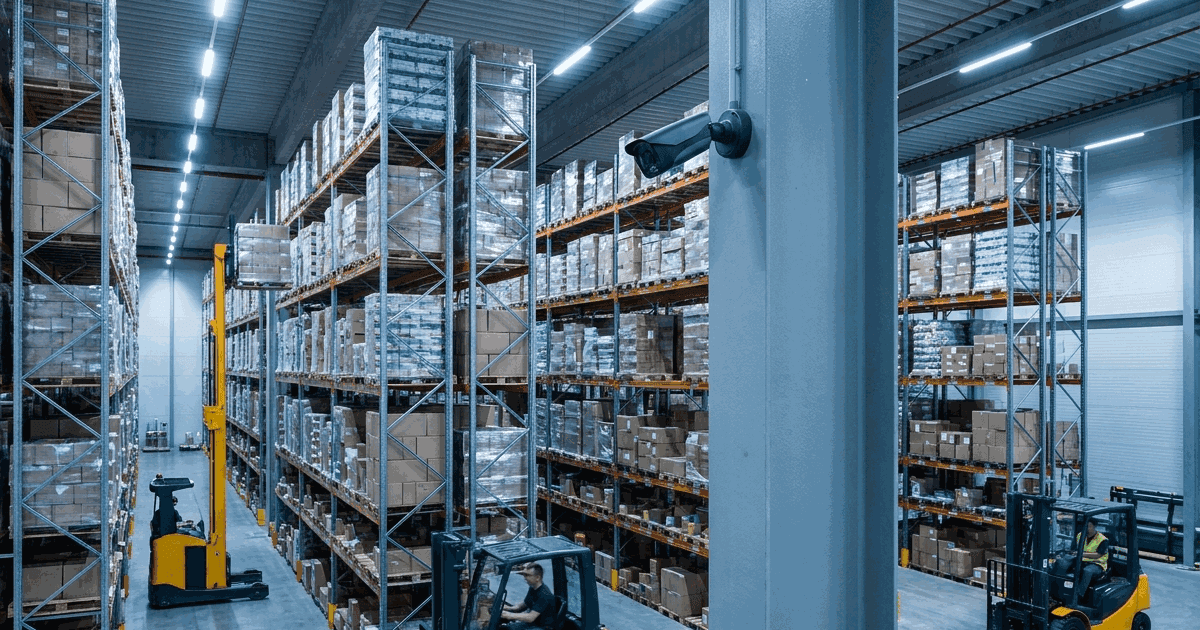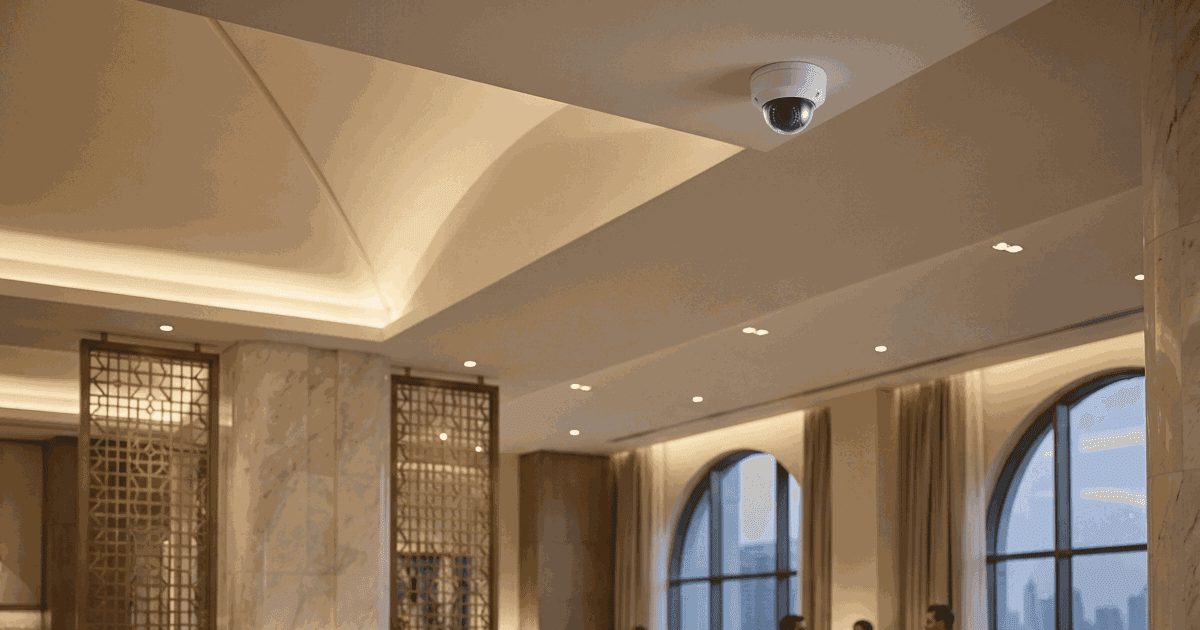

Choosing a door access control system supplier in Dubai? Plan doors, gate barriers, intercoms and attendance as one system, with checklists for each property.
Finding the right door access control system supplier in Dubai starts long before you compare card readers. Every building has several entry points: the perimeter gate, the car park, the lobby, office doors and lifts. When each one is bought from a different vendor, gaps appear and costs rise. This guide shows how to plan access control, gate barriers, intercoms and attendance as one connected system. You will learn how each layer works, which credentials suit which sites and how to evaluate suppliers before you sign.
Key Takeaways
Design entry security as layers, from the perimeter gate to the lift, and connect them on one platform.
Choose credentials by site risk and user type: cards, PINs, biometrics, mobile or QR codes each have a place.
A strong access control system Dubai buyers can trust comes from a supplier that designs, installs and maintains every layer with its own team.
Why Entry Systems Work Best as One System
Most UAE buildings grow their entry systems piece by piece. A developer installs gate barriers, a tenant adds card readers, facilities management buys a visitor app and HR brings in a separate attendance terminal. Each product may work well on its own. Together, they create four databases, four sets of user records and four support contracts. When an employee leaves, someone must remember to remove them from every system.
A connected design fixes this. One user record controls what a person can open, where their vehicle may enter and how their attendance is recorded. Security teams see every event on one screen, with alarms, video and door status side by side. Facility managers change permissions in one place instead of logging in to separate tools. Reports for audits, investigations and payroll come from the same trusted data.
Fragmented systems also cost more over time. Each product needs its own licences, software updates, spare parts and service visits. When one vendor changes its platform, the links to the other systems often break. Buying a connected design from the start avoids paying for the same integration work again and again as the building changes.
Regulation adds another reason to plan carefully. In Dubai, the Security Industry Regulatory Agency regulates security systems for many facility categories, and other emirates apply their own rules. A supplier who understands these requirements can design doors, barriers and cameras that pass inspection the first time, instead of fixing gaps after an audit.
Integration also improves safety. If a door is forced, the nearest camera view appears at once. If the fire alarm activates, doors on escape routes release together. Our earlier article on why access control is the first line of defense for offices covers the core benefits. This guide goes further, covering the full entry stack from the street to the lift.
The Five Layers of Entry Security
Good entry design works from the outside in. Each layer filters people and vehicles, so fewer unauthorised visitors reach the sensitive areas at the centre of the building. Most commercial and residential projects across the UAE use the layers described in the sections that follow.
Perimeter and Vehicle Entry
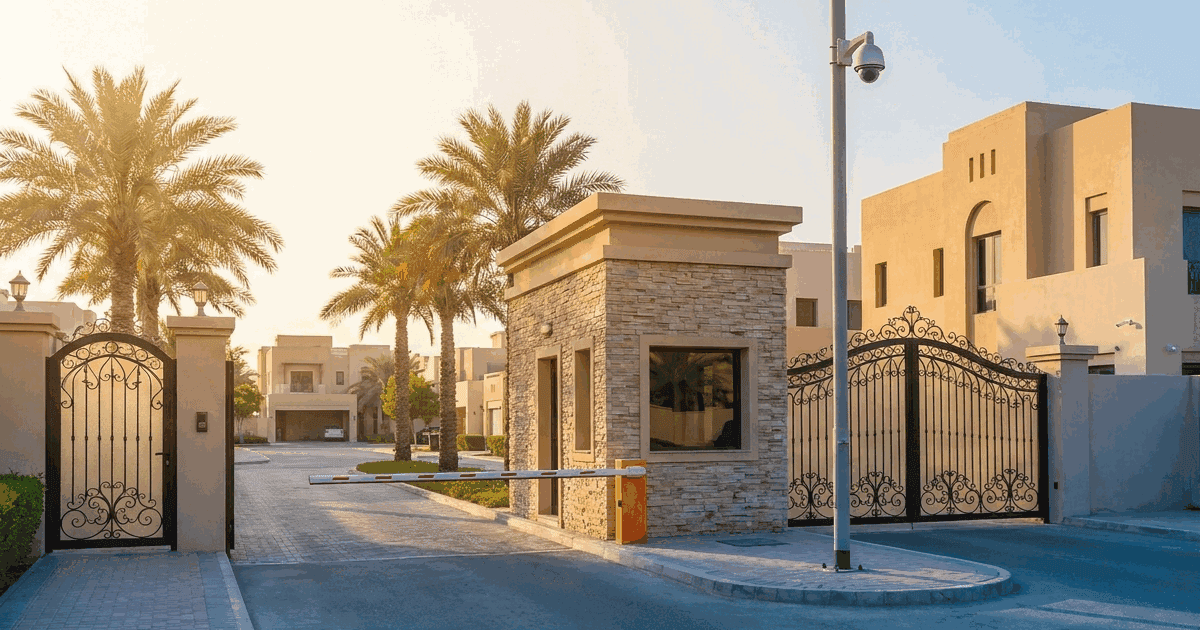
The first layer controls who reaches the site at all. Boom barriers, sliding gates, road blockers and bollards manage vehicles, while pedestrian gates handle people on foot. A well planned gate barrier system Dubai compounds rely on links to number plate recognition, long range tags or resident apps. Linking barriers with ANPR cameras that read plates at the gate removes the need for guards to raise the arm for every car. Pedestrian routes should never share a barrier lane with vehicles, and delivery bays need their own controlled entrance so trucks do not queue at the main gate.
Lobby and Reception
The lobby is where visitors are identified. Speed gates or optical turnstiles separate the public area from the secure zone. Visitors register at reception or through a self service kiosk and receive a temporary card or QR code that works only for the areas and times their host has approved. Guards monitor the gates rather than checking every badge by hand. Tailgating is the main weakness at this layer, where one person follows another through an open gate. Optical turnstiles with sensors detect tailgating and raise alerts, while anti passback rules stop a card from being passed back to a second person outside.
Doors and Internal Zones
Inside, controlled doors protect offices, server rooms, stores, pharmacies and plant rooms. Each door has a reader, an electric lock, a door contact and an exit device. Access levels decide which groups can open each door and at what times, such as office hours only for general staff and round the clock access for security teams. High risk rooms can require two credentials, such as a card plus a fingerprint. Door contacts matter as much as readers, because they report doors that are forced or held open. Without them, the system cannot tell the difference between a normal entry and a door wedged open for hours.
Lifts and Floors
Lift integration is the final layer in towers. A card or mobile credential selects only the floors that person may visit. Residents cannot reach other apartments, and office staff cannot enter other tenants' floors. Destination dispatch lifts can even assign a car based on the credential presented at the lobby gate. Lift integration needs early coordination with the lift contractor, since interfaces and responsibilities must be agreed before either system is commissioned.
Choosing Credentials: Cards, PINs, Biometrics, Mobile and QR
The credential is what a person presents to open a door. Each option balances cost, convenience and security differently. Most sites use more than one type, for example cards for staff, mobile credentials for residents and QR codes for visitors. Here is how the main options compare.
Older proximity cards are easy to copy, so new projects should use encrypted smart cards. Fingerprint readers are affordable and accurate, but dust, sweat and gloves can reduce reliability on industrial sites. Face recognition is touchless and fast, which suits busy lobbies and hygiene sensitive areas. Mobile credentials use Bluetooth or NFC on smartphones and remove the cost of printing and replacing cards. They can also be issued or cancelled remotely, which suits residential towers with frequent tenant changes and businesses with staff across several branches.
Biometric data needs extra care. Under the UAE personal data protection framework, fingerprints and face templates are sensitive personal data. Store templates securely, limit who can access them, explain their use to staff and delete them when people leave. Many modern readers store templates as encrypted data rather than images, which reduces risk.
Managing the Credential Lifecycle
Credentials need a clear lifecycle. Define who can request access, who approves it, how cards or mobile passes are issued and how quickly access is removed when someone leaves. Link the access system to HR records where possible, so leavers lose access automatically on their last day. Review access levels every quarter, because permissions tend to grow as people change roles and nobody removes the old ones.
Use stronger credentials where the risk is higher. A general office door may need only a card, while a server room, cash office or pharmacy store deserves two factors. Setting these rules by zone keeps daily entry fast for most users while protecting the areas that matter most.
Controllers, Readers, Software and Integration
Behind every reader sits the hardware and software that make decisions. Understanding these parts helps you compare proposals and avoid systems that are hard to expand or support.
Controllers and Door Hardware
Controllers store access rules and decide whether to release a lock. Good controllers keep working if the network or server goes offline, then upload events when the connection returns. Lock choice matters too. Fail safe locks release when power is lost, which suits escape routes. Fail secure locks stay locked, which suits stores and cash rooms. Your design must follow fire and life safety requirements for every door on an escape route.
Readers and Communication Protocols
Many older readers connect using the Wiegand interface, which sends data without encryption and can be intercepted. Newer projects increasingly use OSDP with secure channel, which encrypts traffic and monitors the reader for tampering. Ask suppliers which protocol they propose and why.
Software, Cloud and Mobile Management
Access control software manages users, schedules, alarms and reports. On premise software suits large sites with their own IT teams. Cloud platforms suit multi site businesses that want central control without local servers. Whichever you choose, insist on role based administration, audit trails and regular security updates. Check that the software exports reports in common formats and offers an open interface, so future systems can connect without replacing the platform.
Power and Network Resilience
Access control must keep working during power cuts and network faults. Controllers and locks need backup batteries or UPS supply sized for the required runtime. Critical doors should operate from local controller memory if the server is offline. Place controllers on a protected network segment and change every default password during commissioning, because networked access hardware is a common target for attackers. Plan spare capacity as well. Leave room in controllers, power supplies and cable containment for extra doors, so future fit outs connect without replacing core equipment.
Integration with CCTV, ANPR, Fire Alarm and Lifts
Integration turns separate devices into one security system. Door events can link to SIRA approved CCTV installation so operators see video for every alarm. Platforms that support the ONVIF standard connect more easily with cameras from different brands. Fire alarm interfaces release escape doors, and lift interfaces restrict floors. Plan these interfaces early, since late changes mean extra wiring and licences.
Gate Barriers, Bollards and Turnstiles
Physical barriers enforce the decisions made by the access control system. Without them, a valid card simply unlocks a door that anyone can follow through. Choosing the right barrier depends on traffic volume, the level of threat and the look of the building.
Boom barriers are the most common choice for car parks and compounds. They open quickly and suit high traffic, but they stop only cooperative drivers. Sliding and swing gates close a full opening and suit villas, warehouses and labour accommodation. Road blockers and crash rated bollards stop vehicles by force and protect sensitive facilities such as data centres and government buildings.
For pedestrians, tripod turnstiles are robust and low cost for factories and camps. Speed gates and optical turnstiles look better in corporate lobbies and handle high volumes at peak hours. Full height turnstiles secure unattended perimeters. Explore our gate barrier and turnstile solutions to see options for different sites.
Appearance matters in premium developments. Glass speed gates, stainless steel finishes and barrier arms in building colours help security blend with the architecture. Agree finishes with the interior designer early, since lead times for custom colours and glass panels can be several weeks longer than standard models.
UAE conditions affect every choice. Motors and control boards must handle summer heat, dust, sand and long duty cycles without overheating. Ask suppliers for the rated number of cycles per day, local spare parts stock and response times, because a failed barrier at rush hour creates queues and security gaps within minutes.
Safety is equally important. Vehicle barriers need safety loops or sensors that stop the arm or gate from closing on a car or a person. Turnstiles need emergency release modes linked to the fire alarm, so crowds can leave quickly. Clear signage, lane markings and lighting reduce accidents and help drivers use the barrier correctly the first time.
Intercoms, Visitor Management and Attendance
The final pieces of the entry stack deal with people who are not regular users, and with recording when staff arrive and leave. These systems are often bought separately, yet they depend on the same user data and door hardware.
Intercoms
Video intercoms let reception or residents see and speak to visitors before opening a gate or door. IP intercoms connect over the network and can ring desk phones, mobile apps or a central guard station. In residential towers, they link each apartment with the lobby panel. Our audio and video intercom solutions cover villas, apartment buildings and offices. When intercoms connect to access control, a resident or receptionist can release the correct door from the call screen, and every release is logged against the person who approved it. This closes a common gap where gates are opened remotely with no record of who allowed entry.
Visitor Management
Visitor management systems replace paper logbooks. Hosts invite guests in advance, guests receive a QR code by email or message, and the code works only on the booked date and approved doors. Reception staff can scan Emirates ID details where permitted, print badges and see who is still on site during an evacuation. Delivery drivers and contractors can follow separate workflows, with induction checks, permitted zones and automatic expiry when their work ends.
Attendance and Payroll Integration
An attendance system in UAE workplaces records clock in and clock out times, often using face or fingerprint readers at entrances. When attendance terminals share data with access control, staff use one credential for both. Exported records feed HR and payroll software, which in turn supports salary processing through the Wage Protection System. Confirm the specific record keeping duties for your business with your HR or legal adviser. For businesses with several sites, cloud attendance platforms collect records from every location in one dashboard, which simplifies overtime tracking and shift planning across branches.
Entry System Designs by Property Type
Every property type has different risks, users and traffic patterns. The profiles that follow are starting points we use when designing an access control system UAE clients can scale over time. Each project still needs a survey of doors, cabling routes and existing hardware.
Office towers usually need turnstiles, lift integration and tenant self management, so each company controls its own staff. Residential towers focus on mobile credentials, visitor QR codes and amenity booking. Villa compounds depend on strong vehicle control at the gate, often combined with smart locks for individual homes.
Industrial sites need rugged hardware, contractor induction checks and muster reports for emergencies. Labour accommodation needs high throughput turnstiles, face recognition that works at shift change and visitor rules that protect residents. Mixed use buildings combine several profiles and need careful zoning, so retail visitors never reach residential floors.
Hospitals and schools add their own priorities. Hospitals need controlled access to pharmacies, wards, operating theatres and infant care units, while keeping emergency routes clear at all times. Schools focus on gate control during drop off and collection, visitor screening and lockdown capability that secures classrooms quickly. In both cases, the access control system Dubai operators choose should support fast changes during emergencies without complex programming.
How to Choose a Door Access Control System Supplier in Dubai
The supplier you choose shapes the system for years. Hardware can be replaced, but a poor design, messy wiring or a closed software platform is expensive to undo. Use the checklist below when comparing proposals from any door access control system supplier in Dubai.
Designs all layers together: perimeter, vehicle, lobby, doors, lifts, intercoms and attendance.
Surveys every door, cable route and lock type before quoting.
Uses its own installation team rather than subcontractors.
Proposes secure credentials and encrypted reader communication.
Explains fire alarm interfaces and escape route door behaviour in writing.
Uses open platforms that integrate with CCTV, ANPR and lift systems.
Provides as built drawings, door schedules and administrator training at handover.
Offers an annual maintenance contract with clear response times and local spares.
Ask each supplier for references from buildings similar to yours and visit one if you can. Check how they handle user data, software updates and future expansion. A supplier who asks detailed questions about your operations is usually a better partner than one who sends a quote within hours.
Expect a clear project process. A typical project moves from site survey to design, approval of the door schedule, installation, programming, testing and handover. Ask for a timeline that shows when each layer goes live and how existing security will continue during the changeover. For occupied buildings, work should be phased by floor or zone so staff and residents are never left without secure entry. Finally, compare total cost over five years rather than the installation price alone. Include licences, card replacement, maintenance visits and expected hardware upgrades, because a low initial quote can hide high running costs that appear only after handover.
Maintenance deserves the same attention as installation. Locks wear, barrier motors age and readers need firmware updates. A planned annual maintenance contract for security systems keeps every layer working and gives you one point of contact when something fails.
Vega Digital designs, installs and maintains entry systems with its own team across the UAE. Our access control solutions connect doors, barriers, intercoms, cameras and attendance on platforms that grow with your building.
Conclusion
Entry security works best when every layer shares one design, one set of user data and one support team. Plan the perimeter, vehicles, lobby, doors, lifts, intercoms and attendance together, then choose credentials and barriers that suit your property and your people. The right door access control system supplier in Dubai will survey your site, explain every interface and maintain the system long after handover.
Ready to plan a connected entry system for your building? Talk to our access control team for a site survey and a design built around your property, users and approval needs.
Frequently Asked Questions
What does a door access control system supplier in Dubai provide?
A full service supplier designs the system, supplies readers, controllers, locks and software, installs and commissions everything, trains administrators and maintains the system afterwards. The best suppliers also integrate barriers, intercoms, cameras and attendance terminals.
Which access control credential is most secure?
Combining two credentials, such as an encrypted smart card with face recognition, gives the strongest protection. For single credentials, encrypted smart cards and mobile credentials resist copying far better than older proximity cards or shared PIN codes.
Can access control and attendance use the same system?
Yes. Many platforms use the same readers and user records for door access and attendance. Staff present one credential, and time records export to HR and payroll software, which reduces duplicate data entry and errors.
Do access controlled doors open during a fire alarm?
Doors on escape routes are normally designed to release when the fire alarm activates, using fail safe locks and a fire alarm interface. Confirm the exact requirements for your building with your fire and life safety consultant.
How much does an access control system cost in Dubai?
Cost depends on door count, lock types, credentials, software licences, cabling distances and integrations with lifts, barriers or cameras. Ask suppliers to itemise hardware, labour, licences and maintenance so proposals can be compared fairly.
Is cloud access control safe for UAE businesses?
Cloud platforms can be very secure when they use encryption, role based administration, two factor login and regular updates. Check where data is hosted and how the provider protects personal data before choosing a cloud solution.
What is the difference between a boom barrier and a road blocker?
A boom barrier controls cooperative traffic with a lifting arm and suits car parks. A road blocker rises from the ground to physically stop vehicles and protects high security sites that need resistance against forced entry.
Can I upgrade an old access control system without replacing everything?
Often, yes. Existing locks, door contacts and cabling can sometimes be reused while controllers, readers and software are upgraded in phases. A site survey shows which parts are reusable and which create security risks.
Does access control need a separate network?
Security devices are best placed on a dedicated or segmented network. Our business network installation team designs switching and VLANs so controllers, readers and cameras stay reliable and isolated from general office traffic.
Why work with an installer that has its own team?
An in house team controls wiring quality, programming and response times across every project stage. Read more about Vega Digital and our engineers, who design, install and maintain systems without subcontracting any work.