
How a security cameras fitting service upgrades CCTV in occupied UAE buildings: reuse cabling, phase the cut over, avoid recording gaps and keep tenants calm.
A security cameras fitting service in an empty new building is simple. Upgrading CCTV in a hotel, mall, clinic or office tower that stays open every day is a very different job. Guests keep arriving, staff keep working and the old system must keep recording until the new one takes over. This guide explains how a retrofit works in a live building. You will learn how to survey the existing system, reuse cabling, phase the cut over and manage tenants and approvals.
Key Takeaways
A retrofit starts with a detailed survey of existing cameras, cables, recorders and approval records.
Reusing coax and existing containment can cut disruption, cost and dust in occupied spaces.
A phased cut over keeps every area recording, so there is never a gap in footage during the upgrade.
Why Retrofitting CCTV in a Live Building Is Different
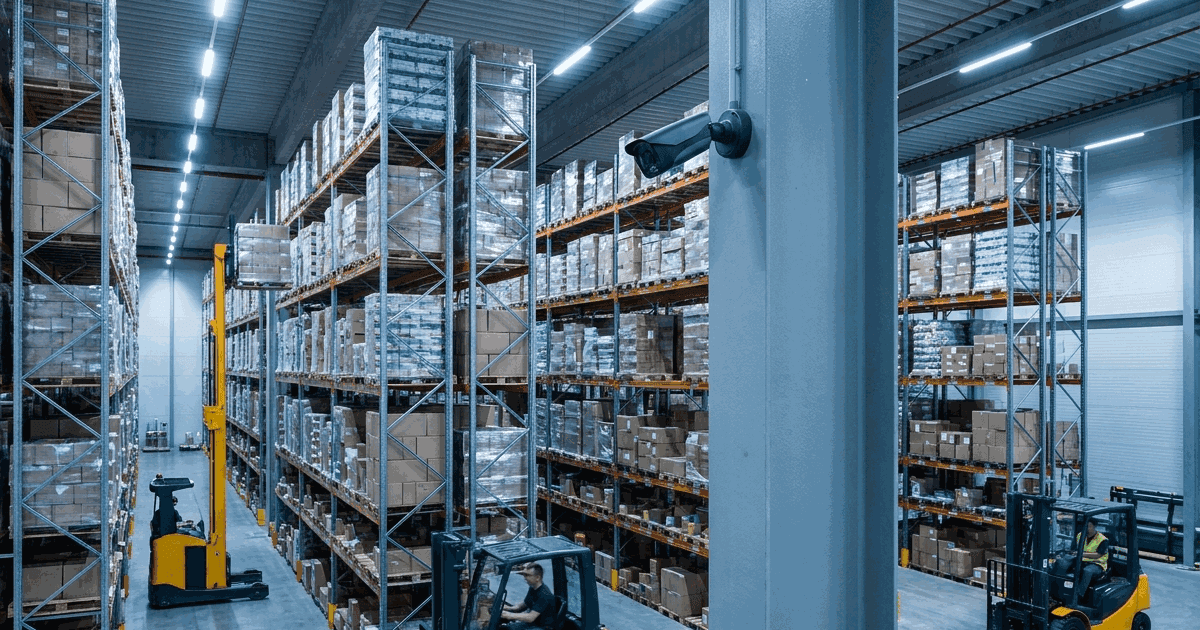
Occupied buildings add constraints that new builds never face. Ceilings are finished, corridors are busy and many areas can only be accessed at night. Security teams also cannot switch off cameras while contractors work, because insurers and approval authorities still expect continuous coverage.
That changes how a surveillance camera installation service must plan. Work is split into small zones, each with its own start and finish window. Access permits, method statements and escort arrangements are agreed with facility management in advance. Noisy drilling moves to quiet hours, and ceiling tiles are opened only where needed. The goal is simple: the building should barely notice the upgrade is happening.
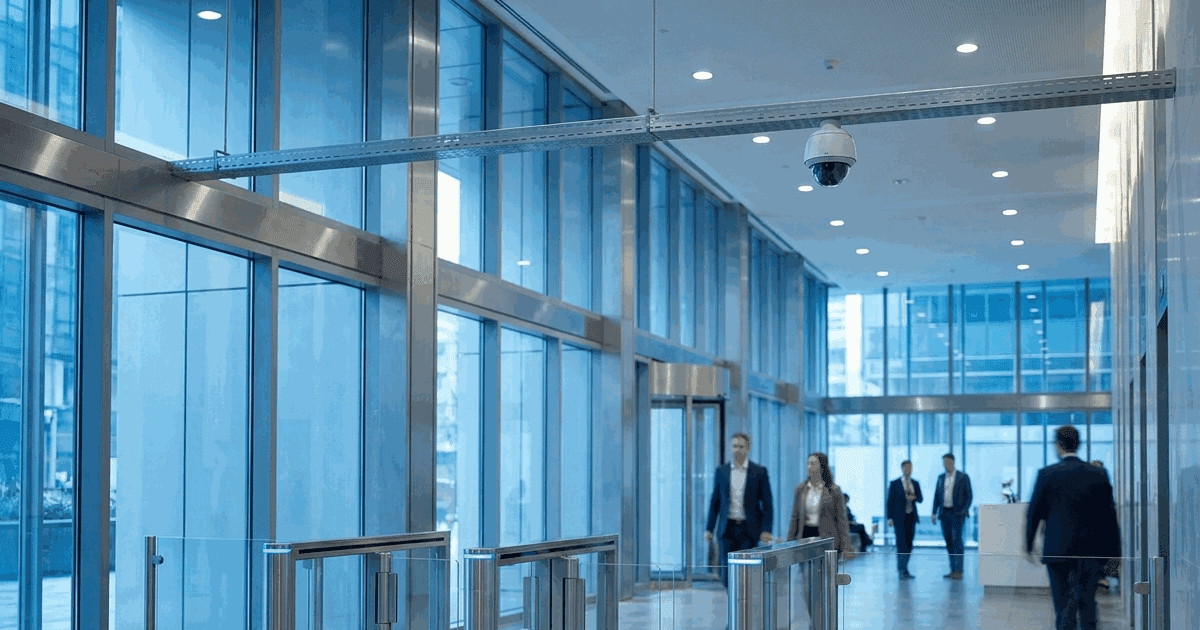
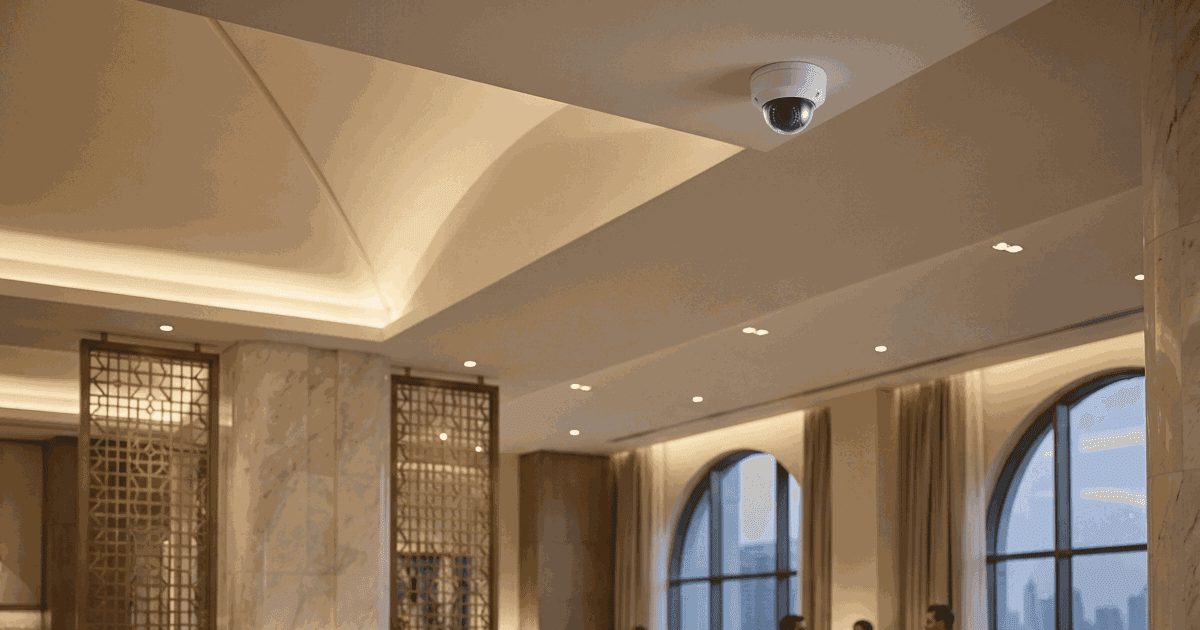
Different buildings bring different pressures. Hotels cannot disturb guests on sleeping floors, so work there happens mid morning when rooms are empty. Clinics must keep patient areas clean and quiet. Malls restrict contractor access to hours after closing. Office towers often require permits for every ceiling opening and lift booking. Understanding these rules before quoting avoids delays, extra site visits and unhappy tenants once work begins.
Start With a Survey of the Existing System
A good survey saves more money than any discount. Before designing anything, the installer should record every existing camera, its cable type, its route and where it ends. Many older buildings have poor labelling, so tracing cables can take time, but skipping this step leads to surprises later.
The survey should also check the recorder model, storage capacity, network switches, power supplies and UPS backup. Test which cables still carry a clean signal and which are damaged or corroded. Review current approval certificates, since an upgrade often needs a fresh submission. If you need a refresher on why this matters in Dubai, read what SIRA approval means for your business.
Finally, map occupied zones and their busy hours. A hotel lobby, a pharmacy counter and a data room each need different work windows. This map becomes the basis of the phased plan.
The survey report should list what can stay, what must be replaced and what can be improved at the same time. For example, a camera that watches a blank wall after a layout change can move to a more useful position. Blind spots found during the walk through can be added to the new design. Sharing this report before pricing keeps every bidder working from the same facts.
Reusing Cabling and Recorders to Limit Disruption
Pulling new cable through finished ceilings is the biggest source of dust, noise and cost in a retrofit. Where the existing cable is healthy, reuse it. A skilled security cameras fitting service will look at every run and choose the least disruptive option that still meets the new design.
Ethernet over coax adapters let new IP cameras run on old coaxial cable, often with power carried on the same line. Hybrid recorders accept analog and IP cameras together, so older cameras can stay online while new ones are added. PoE extenders stretch network runs beyond normal distance limits without a new switch in the ceiling. Where cables are damaged, new runs can often follow existing containment. For backbone upgrades, compare a copper or fibre backbone for your building size.
Reuse is a tool, not a rule. If a cable fails testing, replace it. Cameras should also support the ONVIF standard so future expansion does not lock you into one brand.
Recorders deserve the same honest check. An older recorder may still work, but it may lack the channels, storage or security updates the new design needs. In many retrofits the best approach is to keep the old recorder running for historic footage while a new platform records the upgraded cameras. Once the retention period passes, the old unit is retired safely and its drives are wiped or destroyed.
Phased Cut Over With No Recording Gap
The safest retrofit never leaves an area unrecorded. Instead of removing the old system and then installing the new one, a professional security camera installation service runs both side by side and moves zones across one at a time.
Each zone follows the same pattern. The new camera is mounted and tested next to the old one. Recording is confirmed on the new platform, including night views and motion events. Only then is the old camera removed and the ceiling closed. Footage already stored on the old recorder is exported or kept for the full retention period, so historic evidence stays available.
Critical areas such as cash offices, entrances and pharmacies usually move first, often at night. Back of house corridors, stairwells and car parks follow once the priority zones are stable. Once every zone is live, the team commissions analytics, user accounts and remote access, then hands over updated drawings and a camera schedule.
Testing at each stage protects everyone. Keep a simple sign off sheet per zone that records the camera name, view, recording check and time of switch over. Security staff should confirm they can find and play back footage before the old camera goes. This small habit prevents the most common retrofit complaint, which is discovering weeks later that one camera never recorded after the change.
Managing Tenants, Dust, Noise and Approvals
People notice contractors before they notice cameras. Share a simple schedule with tenants and staff that shows which areas are affected and when. Use dust sheets, portable vacuum drills and closed ceiling tiles at the end of every shift. Keep ladders and tools out of fire routes.
Name one contact person on each side. The facility manager handles tenant questions and access, while the installer's supervisor manages daily progress and any snags. A short end of shift update by message keeps everyone informed. When residents or staff know what is happening and why, complaints drop sharply and security teams can plan guard patrols around each active work zone.
Approvals need attention too. Replacing cameras or recorders can change what the authority approved, so a CCTV installation company should confirm whether a new submission or inspection is required. The Security Industry Regulatory Agency sets requirements in Dubai, and other emirates apply their own rules. Vega Digital handles approvals across Dubai, Sharjah, Ajman, Abu Dhabi MCC and RAK GRA with its own team.
After handover, protect the new investment with an annual maintenance contract for your CCTV so cameras, storage and firmware stay in good condition.
Choosing the right partner matters as much as the method. Ask whether the company uses its own installers or subcontractors, how it protects finished interiors and who attends if something goes wrong at night. A security cameras fitting service with an in house team can answer these questions clearly and stay accountable from survey to handover.
Conclusion
Upgrading CCTV in a building that never closes is about planning, not speed. Survey carefully, reuse healthy cabling, phase the cut over and keep tenants informed. The right security cameras fitting service delivers a modern system while the building runs as normal.
Planning an upgrade? Talk to our engineers about your retrofit or explore our SIRA approved CCTV installation services.
Frequently Asked Questions
What does a security cameras fitting service include?
It covers the site survey, system design, cable testing or installation, camera mounting, recorder setup, commissioning and handover documents. For retrofits it also includes phased planning so the building stays protected and operational throughout the work.
Can I upgrade CCTV without rewiring the whole building?
Often yes. Ethernet over coax adapters, hybrid recorders and PoE extenders let new IP cameras use healthy existing cables. Damaged or corroded runs still need replacing, so every cable should be tested during the survey.
Will my building lose recording during a CCTV upgrade?
It should not. A phased cut over runs old and new systems side by side, moving one zone at a time. Old cameras are removed only after new cameras are confirmed recording on the new platform.
Do I need new approval when replacing CCTV cameras?
Replacing cameras or recorders can change the approved design, so a new submission or inspection may be required. Ask your installer to check with the relevant authority before work starts. See why businesses need SIRA approved CCTV.
How long does a CCTV retrofit take?
Timing depends on camera count, cable condition, access windows and approvals. Small sites may take only a few days, while large occupied buildings are usually phased over several weeks to keep disruption low for tenants.
Can old analog cameras work with new IP cameras?
Yes. Hybrid recorders and video encoders let analog cameras record alongside new IP cameras. This spreads the cost of an upgrade and keeps coverage in place while older cameras are replaced over time.
How is dust and noise controlled during installation?
Installers use dust sheets, vacuum assisted drills and limited ceiling openings, and schedule noisy work for quiet hours. Tiles are closed at the end of each shift and walkways are kept clear for occupants.
Does a retrofit need network upgrades?
Frequently. New IP cameras need PoE switches, enough bandwidth and a separate security VLAN. Our business network installation team checks switch capacity, power budgets and cabling as part of every retrofit survey we carry out.
Why choose one company for installation and maintenance?
A single team knows the design, cabling and settings, so faults are fixed faster with no blame shifting between separate contractors. Learn more about Vega Digital's in house engineers and how we support systems.