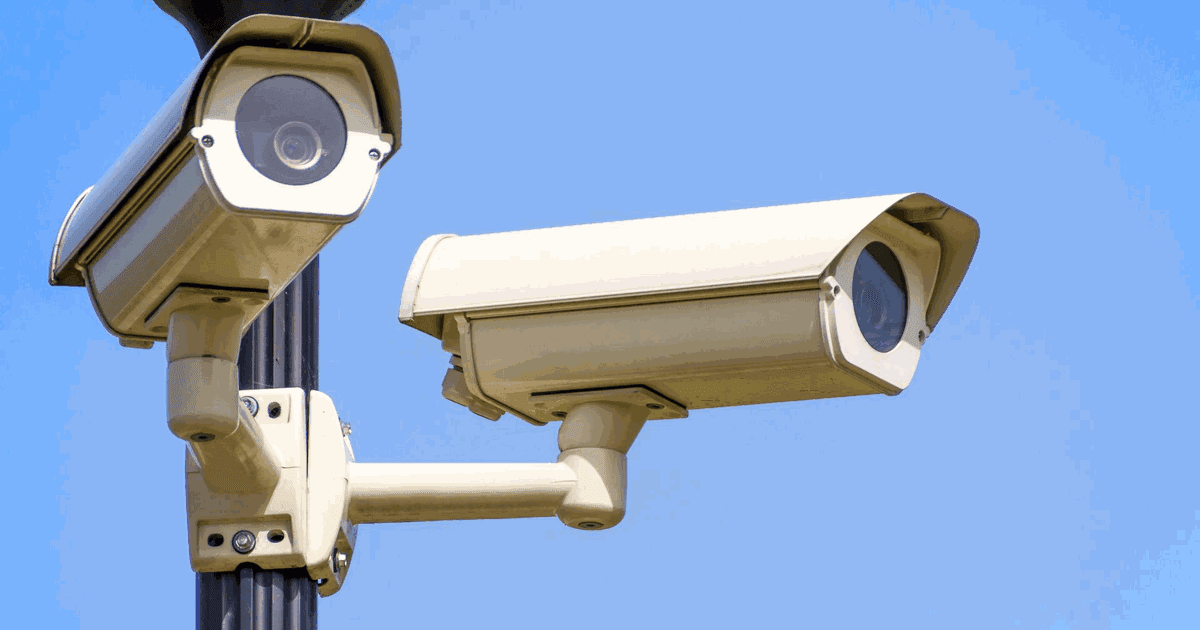

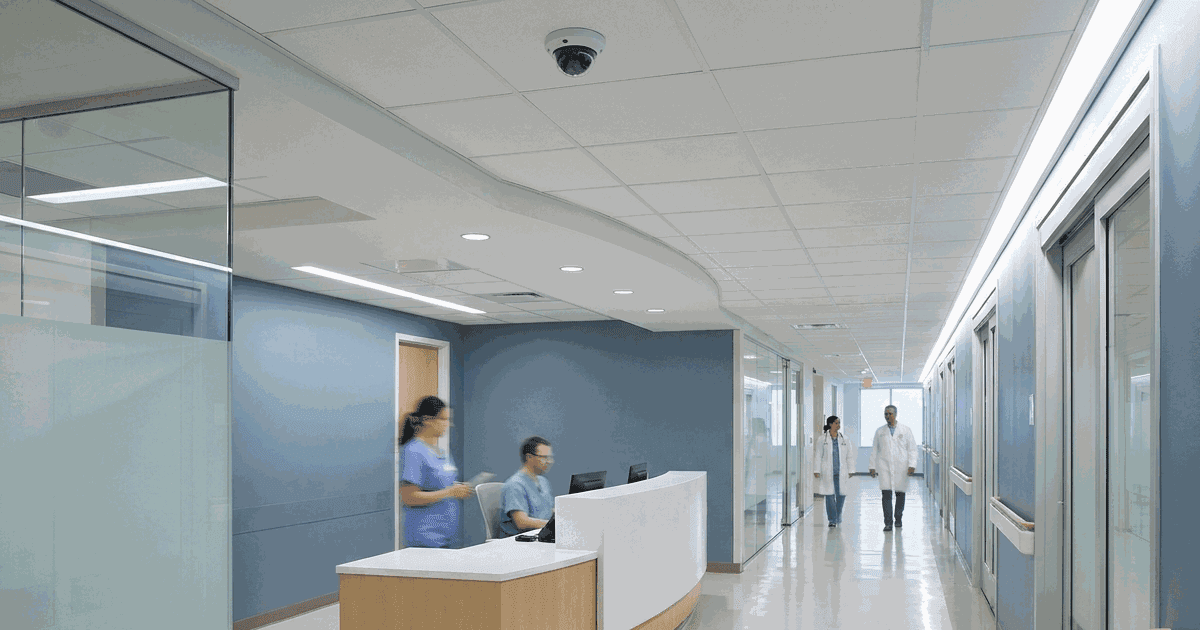
Learn how a face detection camera works, what affects accuracy, where UAE businesses use it and how to stay aligned with PDPL privacy rules before installing.
A face detection camera can spot a human face in a live scene within milliseconds. For UAE businesses, that opens up faster investigations, smarter access and useful footfall data. It also raises real privacy questions, because faces are personal data. This guide explains the difference between detection and recognition, the factors that decide accuracy on a real site, where companies use the technology today and what the UAE data protection law means before you switch it on.
Key Takeaways
Detection finds that a face is present, while recognition matches it to a known identity. The privacy impact is very different.
Accuracy depends on camera angle, lighting, distance and pixels on the face, not only on the AI camera system itself.
Under PDPL, define a clear purpose, use signage, limit retention and restrict who can view or export face data.
Face Detection vs Face Recognition: What the Camera Actually Does
People often use the two terms as if they mean the same thing. They do not. Face detection answers a simple question: is there a face in this image, and where is it? The camera draws a box around each face and can crop a clear snapshot. Nothing in that step tells the system who the person is.
Face recognition goes further. It turns each face into a mathematical template and compares it with a database of enrolled people. That enables watchlist alerts, VIP greetings and touchless attendance. Verification is a narrower form of recognition. It checks whether a person matches one claimed identity, such as a badge holder at a door.
Why does this matter? A video analytics camera that only detects faces creates far less privacy risk than one that identifies people. Many businesses get most of the value they need from detection alone. Face snapshots make searching hours of footage much faster, and counting faces supports occupancy reports without storing identities.
Under the hood, a face detection camera runs a trained neural network on each video frame. The model looks for patterns such as eyes, nose and face outline, then scores how likely each area is to be a face. Modern cameras do this on the device itself, so only snapshots and metadata travel over the network. That reduces bandwidth and keeps raw video processing close to the source.
What Affects Accuracy on a Real Site
Vendors quote impressive accuracy figures, but those numbers come from controlled tests. Independent programmes such as the NIST face recognition evaluations show that results vary widely by algorithm and image quality. On site, installation choices matter as much as the software inside the camera.
Camera angle: faces should be viewed from the front. Steep ceiling angles above a door capture the top of heads, not faces.
Pixels on the face: the face must fill enough of the image. A wide lens across a lobby rarely gives usable detail.
Lighting: backlight from glass entrances creates dark silhouettes. True wide dynamic range and balanced lighting help.
Distance and speed: people walking quickly through a wide space are harder to capture than people pausing at a choke point.
Masks, caps and sunglasses: partial coverings reduce matches, so test with real conditions before going live.
The best results come from choke points such as turnstiles, reception desks and lift lobbies. A good installer tests each view during commissioning and adjusts height, lens and angle before sign off. Our CCTV design and installation team follows this process on every analytics project.
Plan for false alerts as well. Posters, screens showing people and reflections in glass can trigger detections. A face detection camera tuned for a quiet corridor will behave differently in a busy mall entrance. Set minimum face size, detection zones and confidence thresholds for each view, then review results after the first two weeks of live operation. Small adjustments at this stage often cut false alerts sharply.
Where UAE Businesses Use Face Detection
Adoption is growing across the UAE as camera analytics become more affordable and built into standard cameras. Most deployments fall into four groups. Each carries a different level of privacy risk, so match the feature to the real business need.
You also need to decide where analytics run. An AI camera system can process faces on the camera, on a local server or in the cloud. Edge processing keeps data on site and suits privacy sensitive locations. Server processing supports larger watchlists and more cameras. Cloud platforms simplify multi branch management but raise questions about where data is stored.
Investigation and Search
Face snapshots let operators search recordings by time and location instead of scrolling through hours of video. This is the lowest risk use, because the system stores images but does not identify anyone automatically. Investigators can jump straight to every face captured near a stockroom between two times, which turns a day of review into minutes.
Access and Attendance
Face verification at doors and turnstiles replaces cards that can be shared or lost. Linked with access control systems, it logs who entered and when. Employees must be informed, and alternatives should exist for people who cannot enrol. Touchless entry also helps hygiene in clinics and food facilities, and it removes the cost of replacing lost cards.
Retail and Hospitality Analytics
Retailers use anonymous face detection to count visitors, measure dwell time and estimate demographics. Hotels and malls may use it to measure queue times. Keep these systems anonymous wherever possible, and avoid linking faces to loyalty profiles without clear consent. Aggregated reports showing counts and trends usually deliver the insight marketing teams need, without keeping any image of an individual shopper.
Watchlists and VIP Alerts
High security sites sometimes alert staff when a banned person or a VIP guest arrives. This is the highest risk use. It needs a documented purpose, careful database management and strict limits on who can add or view entries. Every alert should be confirmed by a trained person before anyone acts on it, because even strong algorithms make mistakes in crowded, poorly lit scenes. For a wider look at the technology, read how AI security cameras are changing surveillance in Dubai.
What PDPL Means for Face Detection Cameras
The UAE Federal Decree Law No. 45 of 2021 on the Protection of Personal Data, known as PDPL, sets rules for processing personal data. Facial images and biometric templates can identify people, so they fall within its scope. The official UAE government overview of data protection laws summarises the framework. Free zones such as DIFC and ADGM apply their own data protection laws, so check which regime covers each site.
This article is general guidance, not legal advice. Before deploying recognition features, speak with a qualified legal adviser. In practice, most compliant projects share the same foundations: a documented purpose, clear signage, limited retention, restricted access and a privacy impact review before go live.
Technical controls support these policies. Encrypt footage and templates, use role based permissions, log every export and set automatic deletion after the agreed retention period. Emirate level CCTV rules still apply alongside PDPL, so approvals from authorities such as SIRA remain necessary where your facility category requires them.
Think about people's rights too. PDPL gives individuals rights over their personal data, including information about how it is processed. Prepare a simple process for handling requests about face data. If a vendor or cloud platform processes footage for you, put a written agreement in place and confirm where data is stored, since transfers outside the UAE carry additional conditions. Treat each face detection camera as part of your wider data protection programme, not as a standalone gadget.
Conclusion
A face detection camera can make security teams faster and operations smarter, but only when it is installed well and governed carefully. Start with the least intrusive feature that meets your goal, design views around choke points and document every privacy decision before going live.
Vega Digital designs and installs analytics projects with privacy built in from the first survey. Talk to our team about a face analytics assessment for your site.
Frequently Asked Questions
What is a face detection camera?
It is a security camera with built in analytics that locates human faces in live or recorded video. It captures face snapshots for search and counting, without necessarily identifying who each person is.
Is face detection the same as facial recognition?
No. Detection only finds that a face is present in the image. Recognition compares the face against a stored database to identify a person, which involves biometric data and carries a much higher privacy impact.
Is facial recognition legal for businesses in the UAE?
It can be used lawfully when processing follows PDPL principles, emirate CCTV rules and any applicable free zone data laws. Businesses should define a clear purpose, inform people properly and seek qualified legal advice first.
Do I need signs for cameras with face analytics?
Clear signage is a basic transparency step and is widely expected under data protection principles. Signs should explain that cameras and analytics operate, their purpose and who people can contact with any privacy questions.
How accurate is a face detection camera?
Accuracy depends on camera angle, lighting, face size in the image, movement speed and coverings such as masks. Well placed cameras at choke points perform far better than wide views across large open spaces.
Can face recognition replace access cards?
Yes, many offices now use face verification at doors and turnstiles. It works best alongside a backup method such as a card or PIN for visitors. See how modern office access control improves security for staff.
How long can face data be stored?
Keep it only as long as the stated purpose requires and in line with applicable CCTV retention rules. Set automatic deletion, and remove enrolled templates promptly when employees leave or consent is withdrawn.
Does camera analytics work on existing CCTV?
Sometimes. Server based analytics can process streams from existing IP cameras if resolution and viewing angles are suitable. Older analog cameras usually lack the image quality needed for reliable results, so a site survey helps.
Who should install face analytics in Dubai?
Choose an approved installer with proven analytics experience, local approvals and an in house engineering team. Learn more about Vega Digital and our engineers, who design, commission and maintain analytics projects across the UAE.